Robert's Secret
So what was this breakthrough that caused Robert to not only stop his muscle
loss but actually reverse it? Believe it or not, it's protein. Yes, protein.
But Robert didn't get his amazing results by eating more protein or drinking
protein shakes. No, he got those results by getting his body to make more
protein!
Yes, Robert got his body to make more protein. And in a moment, I'm going to
show you exactly how he did it. But first, let's review why proteins are so
important.
Proteins are the building blocks of our bodies. They are essential for
repairing tissues, making hormones, and supporting immune function. As we age,
our bodies become less efficient at producing protein, which can lead to muscle
loss and other health issues.
Proteins form your muscles, bones, skin, and hair. They form the connective
tissue that holds you together. They even make up the “messengers” in your
body… including your hormones, your immune cells, your enzymes, and your
brain chemicals.
Think about what that means. If you don't have enough proteins, you lose
muscle mass. Your hair gets brittle and your skin sags. Your bones become
weaker. Your immune system becomes sluggish.
In other words, if you don't have enough protein, you age faster.
That's why it's so important to make sure you're getting enough protein in your diet.
But how much protein do you need? The answer depends on a variety of factors, including your age, sex,
and activity level. However, a general guideline is to aim for at least 0.8 grams of protein per kilogram
of body weight.
But that's not all. Your sex drive suffers. You become anxious or depressed. You
become more likely to fall and suffer a hip fracture… and less likely to recover
from one.
I'm sure you can see why proteins are so important… and why not having
enough can be bad for your health..
So where do all these important proteins come from? Most people think they
come from the diet. But that's not entirely accurate. The truth is that proteins
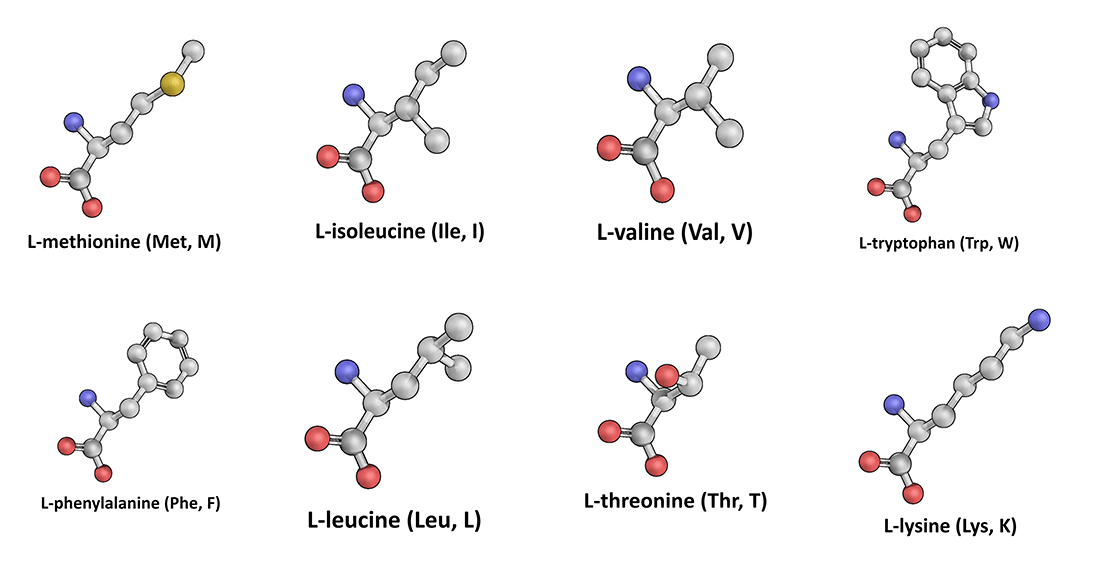
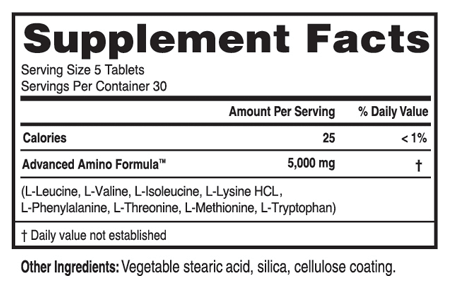
are made by your body. But your diet is important, because it supplies amino
acids, which are the building blocks that create proteins.